
The Truth About Estrogen and the Skin
What changes in menopausal skin, why it happens, and how skincare, in-clinic treatment and medical context combine into a real plan.
On this page
Estrogen helps keep skin firm, hydrated and resilient, so as levels fall around menopause, many people notice faster collagen loss, dryness, thinning and slower healing. The useful truth is that these changes are manageable with the right combination of skincare, in-clinic treatment and, where appropriate, medical care, but hormone therapy is a medical decision made for health, not a cosmetic shortcut. This guide explains what changes, why, and what actually helps.
PearlMD connects menopause medicine, hormone health and skin rejuvenation in one plan rather than treating them separately.
How Estrogen Supports the Skin
Estrogen influences collagen, elastin, skin hydration, barrier function and wound healing, described in dermatology and research overviews such as the American Academy of Dermatology and this review of estrogens and aging skin. In practical terms, healthy estrogen levels are associated with firmer, more hydrated and more resilient skin.
When estrogen declines, several of these supports weaken at once, which is why menopausal skin changes tend to appear together rather than one at a time.
What Changes in Perimenopause and Menopause
Common menopausal skin changes include dryness, reduced firmness and laxity, thinner skin, more visible fine lines, increased sensitivity and slower wound healing. Collagen loss tends to accelerate in the years around menopause, though the pace varies by person, genetics and sun history, as reviewed in research on managing menopausal skin changes.
Knowing what changes first helps target care. For many people, dryness and loss of firmness are early and noticeable shifts.
Hormone therapy is a decision about health, symptoms and risk. Any skin benefit is a possible bonus in selected patients, not the reason to prescribe it.
PearlMD Editorial TeamWhy Hormone Therapy Is a Medical Decision, Not a Cosmetic One
Menopausal hormone therapy is prescribed to manage menopause symptoms and consider individual risk, guided by clinical assessment. Some patients may notice skin effects, but hormone therapy is not a cosmetic skin treatment, and it is not right for everyone.
Suitability depends on personal and family history, symptoms and risk profile. That decision belongs in a medical consultation, not a skincare routine.
Skincare Foundations That Help
Daily foundations do meaningful work for menopausal skin. These include gentle cleansing, consistent moisturisation to support the barrier, and daily broad-spectrum sunscreen, since sun exposure drives much of visible skin aging. Ingredients such as retinoids and peptides may support skin quality when introduced carefully.
These basics are the platform on which in-clinic treatments build. Without them, procedures work harder for less.
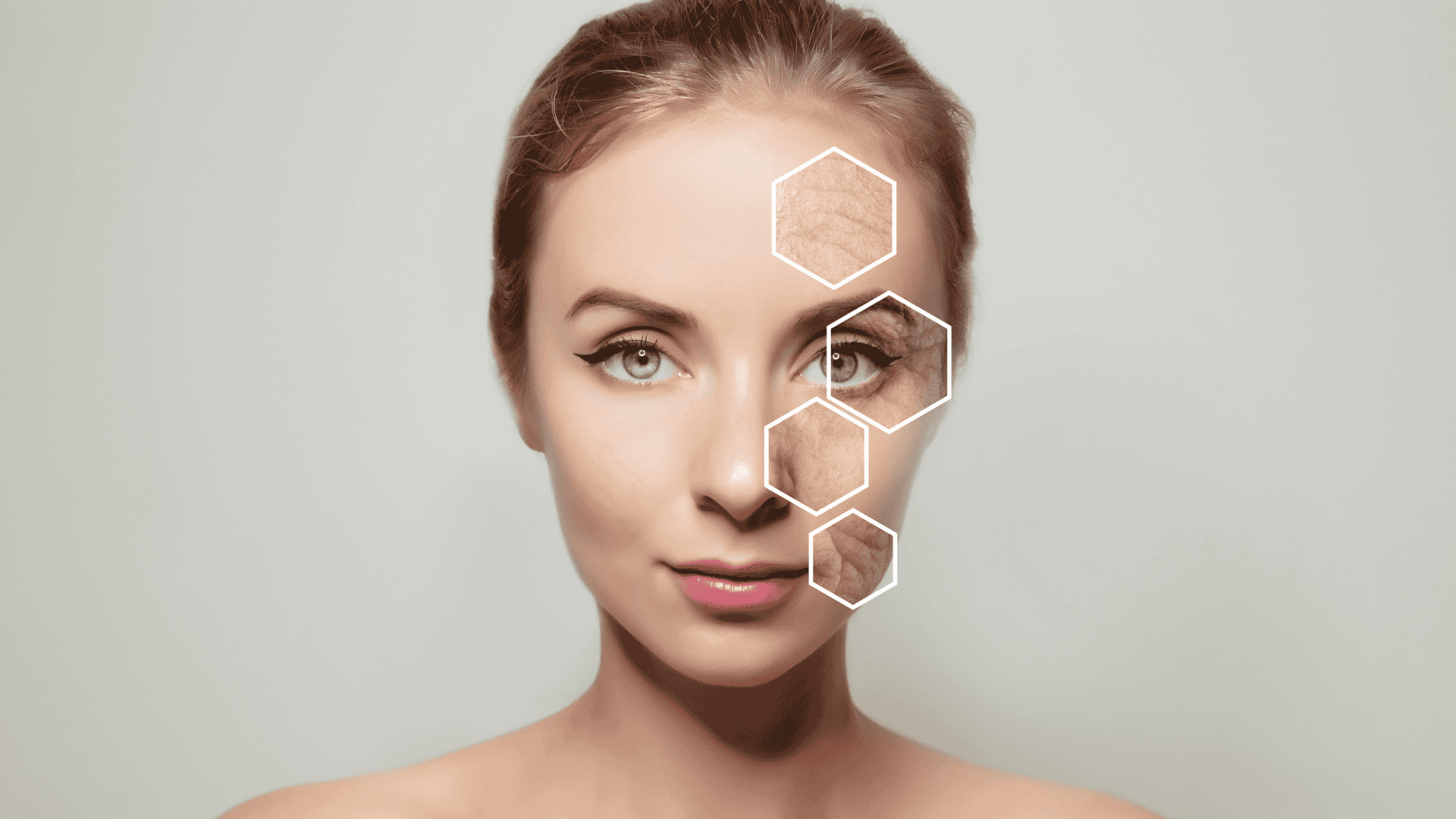
Watch changing spots. New, changing or unusual pigmented spots should be assessed by a clinician rather than treated as cosmetic concerns, because skin cancer can appear at any age. This article is general information and not individual medical advice.
In-Clinic Treatments for Menopausal Skin
Depending on the concern, in-clinic options may include laser resurfacing such as Fraxel, microneedling, biostimulators such as Sculptra, and skin boosters for hydration and quality. Regenerative options such as exosomes are also used in selected cases.
These are matched to the concern and to skin tolerance rather than chosen from a menu. Results and suitability vary by person.
A skin plan that accounts for your hormones
Menopausal skin responds best to a plan that connects skincare, in-clinic treatment and medical context. Explore PearlMD's skin rejuvenation approach or read The Female Longevity Factor.
Building a Plan by Concern
The most useful approach starts with the concern that matters most to you, whether that is dryness, texture, laxity, volume loss, redness or slow healing, then sequences care accordingly. Foundations first, then targeted in-clinic treatment, then maintenance and reassessment.
A consultation confirms which combination fits your skin, your goals and your medical picture. That personalisation is what separates a real plan from a product list.
Frequently Asked Questions
How does estrogen affect skin?
Why does skin change during menopause?
Can hormone therapy improve skin aging?
What helps dry menopausal skin?
Dr. Jennifer Pearlman, MD
Founder & Medical Director, PearlMD Rejuvenation
Physician expert in women's health, hormones, longevity, and regenerative and aesthetic medicine, bringing menopause medicine, functional care and aesthetics into one medical lens. Meet Dr. Pearlman →

Skin, hormones and health, planned together.
Book a physician-led consultation with the PearlMD team in Midtown Toronto and start with a skin plan that accounts for your hormones and goals.