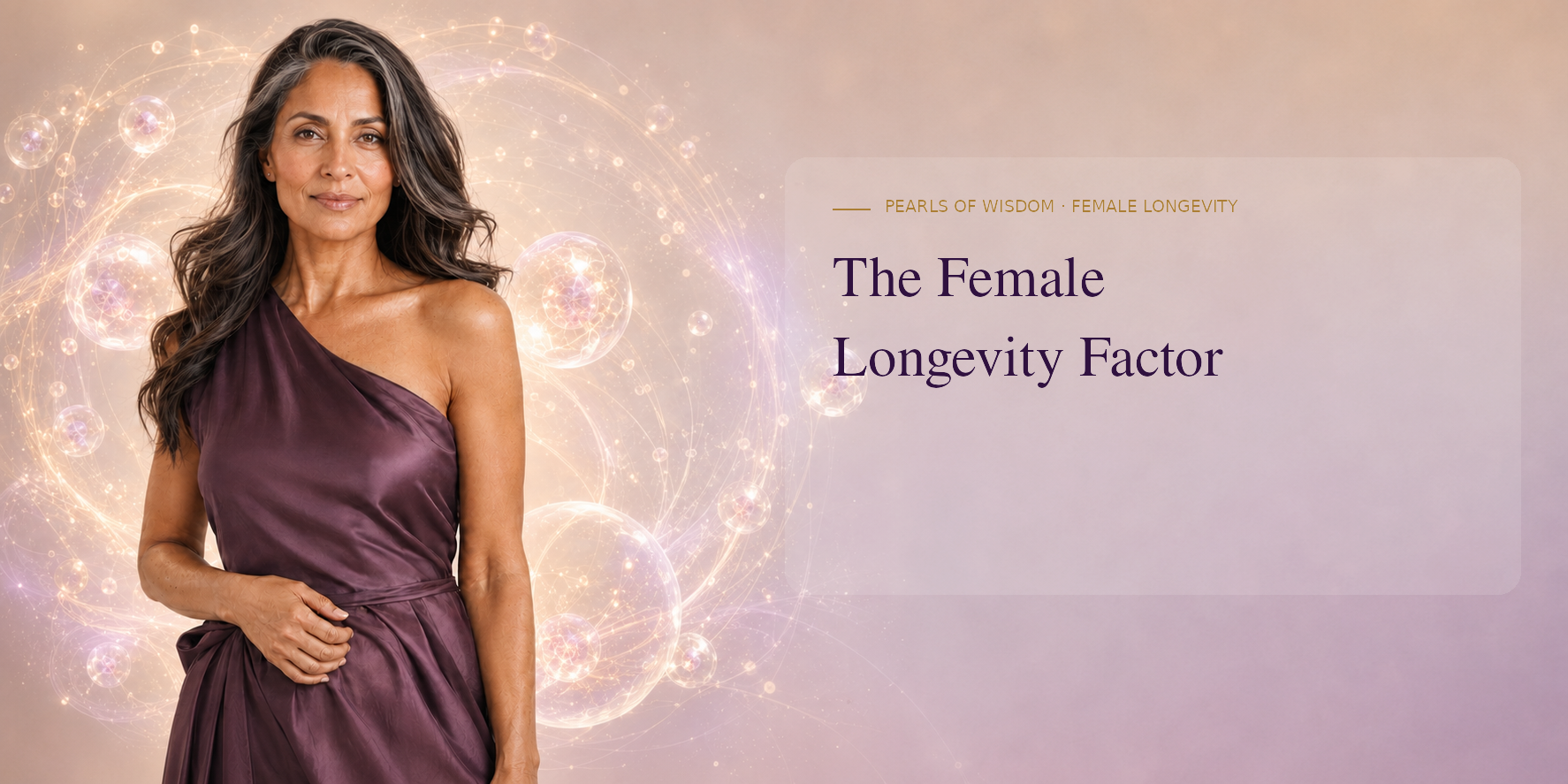
The Female Longevity Factor
Why women age differently, why menopause is a healthspan turning point, and what a women-focused longevity plan can realistically influence.
On this page
Women often live longer than men, yet the strategic goal of longevity medicine is not simply more years. It is fewer years of preventable late-life disease and disability, achieved through earlier, individualised planning. Female aging has its own biological inflection points, and the menopause transition is one of the most important. This guide explains why women age differently, and what a women-focused healthspan plan can realistically influence.
PearlMD builds this through regenerative medicine, hormones and its 5P approach. For the healthcare-system side of this story, see our guide on the healthcare gender gap.
Lifespan, Healthspan, and Why the Gap Matters
Lifespan is how long a person lives; healthspan is how long they stay healthy and functional. Research across many countries documents a persistent gap between the two, described in work on the global healthspan-lifespan gap, and it tends to be meaningful for women.
Reframing the goal around healthspan changes what care looks for. The aim becomes more strong, clear, capable years, rather than simply extending the total.
Why Women Age Differently
Female aging follows a different biological path in several ways, discussed in research on gender, aging and longevity. Hormonal patterns, immune differences and the reproductive timeline all shape how risk changes across life.
The practical takeaway is that a women-focused plan should not be a general protocol with a note about menopause added at the end. It should start from female biology.
Living longer is only half the goal. The real work is protecting the years, and for women that work has its own biology and its own timing.
PearlMD Editorial TeamThe Menopause Transition as a Healthspan Window
The menopause transition is a period when several risks can shift, including cardiovascular, bone, metabolic and cognitive changes, summarised in guidance on the menopause transition and cardiovascular risk. Because these changes cluster in midlife, this window is a natural point to review prevention.
Care here is individualised, and hormone therapy is one option among several rather than an automatic choice.
Heart, Brain, Bone, Muscle, Metabolism and Skin
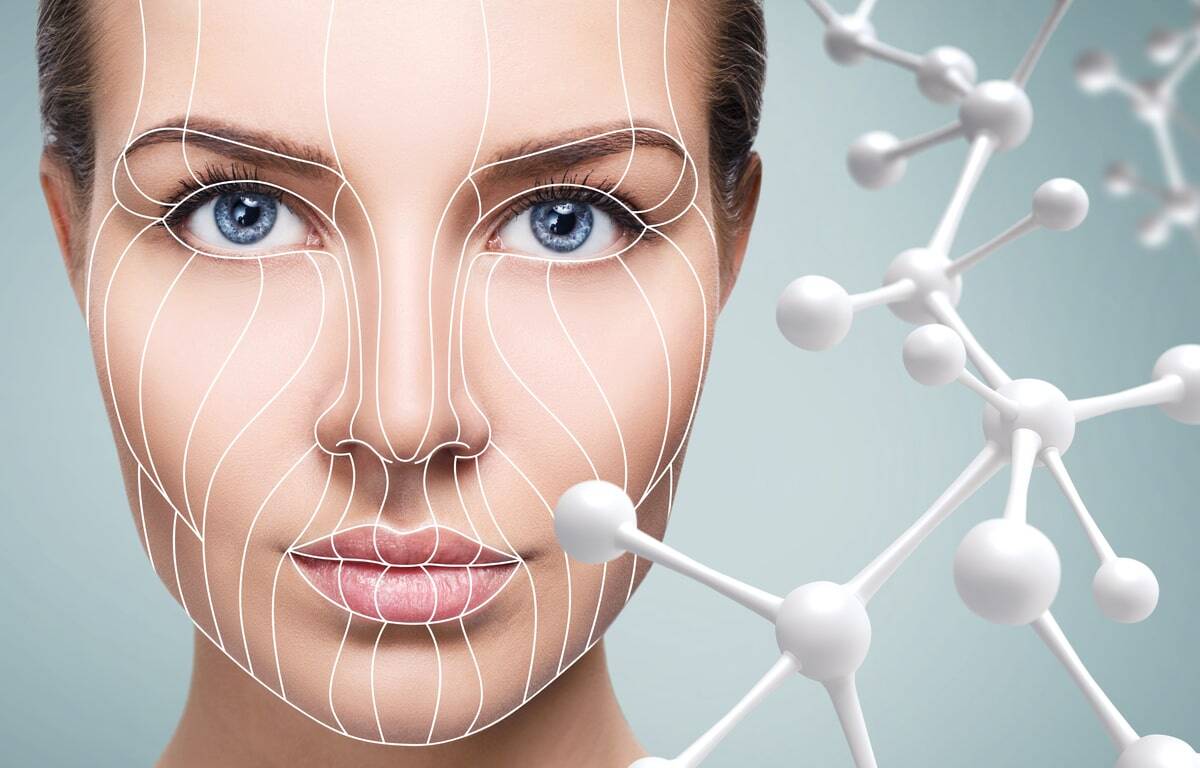
A women-focused healthspan plan considers the systems that shift with age together rather than in isolation: cardiovascular health, cognition, bone density, muscle mass, metabolism and skin, along with sleep and sexual health. Reviewing them as one picture helps direct prevention where it will do the most good.
This connected view is what distinguishes healthspan planning from treating one symptom at a time.
Genomics, Telomeres, Epigenetics and Mitochondria
Aging biology is often described through several buckets, including genomics, telomeres, epigenetic changes and mitochondrial function, with research such as work on telomere length in women and men exploring sex differences. These mechanisms are areas of active study, not finished answers.
It is worth being clear that telomere testing and similar measures are research and interest areas, not a direct clinical promise of longevity. They inform thinking rather than guarantee outcomes.
Careful with big claims. No diet, supplement or test reverses aging, and healthspan planning is about reducing preventable risk, not promising a longer life. This article is general information and not individual medical advice.
What Lifestyle Can and Cannot Promise
Lifestyle genuinely influences healthspan. Strength and activity, nutrition, sleep, stress management, sun protection and social connection all support healthy aging, and lifestyle-focused communities such as those studied in the Blue Zones illustrate the pattern. These are examples of habits and environment, not proof that any single food is an elixir.
The honest framing is that lifestyle shifts the odds meaningfully without guaranteeing any specific outcome. That is still a powerful place to start.
A women-focused healthspan plan
Female longevity planning works best when hormones, prevention and regenerative care connect. Explore the health optimization framework and Health Portfolio.
Testing, Biomarkers and Personalized Planning
A women-focused plan usually starts with history, symptoms and family risk, then may add labs, biomarkers and body composition to build an individual picture. From there, care is planned and revisited over time rather than set once.
PearlMD connects hormones, regenerative medicine and prevention under this lens, guided by Dr. Jennifer Pearlman. A consultation is the right place to translate it into a plan that fits your goals.
Frequently Asked Questions
What is female longevity or healthspan?
Why do women live longer but face a healthspan gap?
How does menopause affect long-term healthspan?
What can women do to support longevity?
Dr. Jennifer Pearlman, MD
Founder & Medical Director, PearlMD Rejuvenation
Physician expert in women's health, hormones, longevity, and regenerative and aesthetic medicine, bringing menopause medicine, functional care and aesthetics into one medical lens. Meet Dr. Pearlman →

Protect the years, not the lifespan alone.
Book a physician-led consultation with the PearlMD team in Midtown Toronto and start with a women-focused healthspan assessment built around your biology.