
AI in Healthcare, Longevity and Aesthetic Medicine
A physician-led guide to what AI can support in prediction, care and aesthetics, and why privacy, bias controls and human oversight still matter.
On this page
Artificial intelligence can support prediction, workflow, research and visualisation in medicine, and it cannot replace clinical judgment, privacy safeguards or bias controls. The useful short answer is that AI works best as a tool that helps clinicians see patterns earlier and plan more clearly, while a qualified physician still decides. This guide explains where AI is genuinely helpful in health, longevity and aesthetic medicine, and where caution belongs.
PearlMD approaches technology as support within physician-led care, connecting predictive health, health optimization and tools such as the AI beauty simulator.
What AI Can Support and What It Cannot Replace
AI models are good at finding patterns in large amounts of data, which can help with tasks like flagging risk, organising information and drafting documentation. As the Cleveland Clinic notes, these tools are meant to assist care teams rather than act on their own.
What AI cannot do is take responsibility for a diagnosis or a treatment decision. Context, examination, history and judgment remain human work. The most reliable systems keep a clinician firmly in the loop.
Predictive Health, Biomarkers and Earlier Risk Signals
One promising use is prediction: combining biomarkers, history and other data to surface risk earlier, when prevention has the most room to work. Paired with expert interpretation, this can help a care team plan screening and lifestyle changes sooner.
The value depends on data quality and validation, not on the model alone. A prediction is a prompt for a conversation and a plan, not a verdict, and it should always be reviewed by a clinician.
AI should make a physician faster and better informed. It should never quietly become the physician.
PearlMD Editorial TeamAI in Patient Care, Workflow and Clinical Decision Support
Inside clinics and hospitals, AI is increasingly used to reduce administrative load and support decisions, an area covered in the Mayo Clinic magazine. Recommendations for building safe clinical decision support, published in JAMIA, stress validation and clinician oversight.
Done well, this frees time for patient care and helps catch things a busy day might miss. Done poorly, it can introduce error at scale, which is why governance matters as much as capability.
AI in Drug Discovery and Precision Medicine
AI is also accelerating parts of research, from screening potential compounds to modelling biology, which can shorten early discovery timelines. In precision medicine, it may help match patterns to more individualised plans.
These are supportive advances rather than finished answers. Real-world benefit still depends on rigorous testing and clinical validation before anything reaches a patient.
AI, Longevity and Female Healthspan
For longevity medicine, AI's strength is connecting many signals into a clearer picture of aging trajectory and risk. That fits a preventive, whole-person model, and it is especially relevant for women, whose health data has historically been thinner, a theme explored in our guide on the healthcare gender gap.
Used carefully, these tools can support earlier, more personalised prevention. The clinical judgment that turns data into a plan remains human.
Technology in service of physician-led care
PearlMD uses tools to support prediction, planning and visualisation, always within medical assessment. Explore the optimization framework and regenerative medicine.
AI in Aesthetic Medicine and Skin Analysis
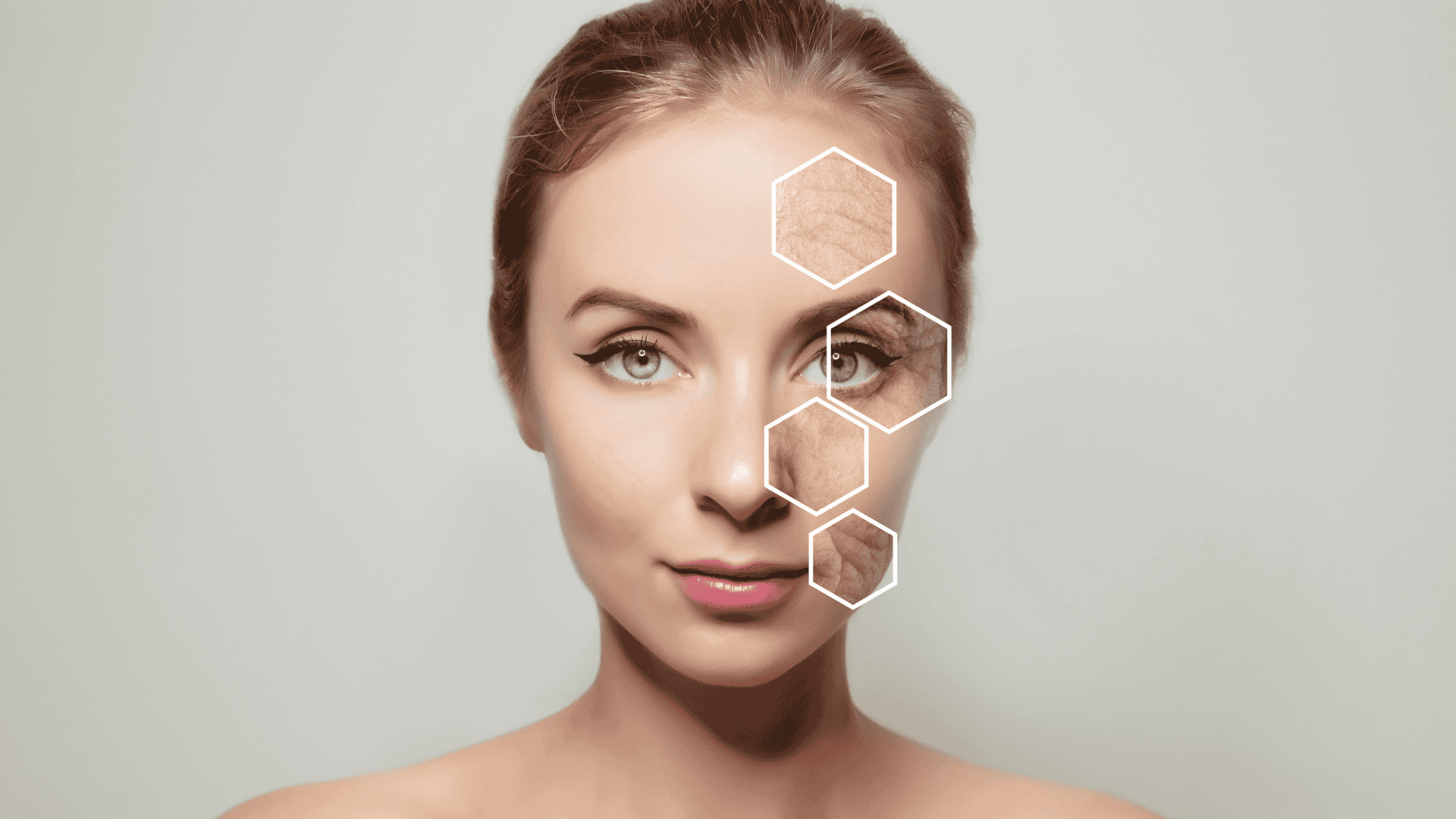
In aesthetics, AI can support skin analysis, documentation and expectation-setting, including simulation tools that help visualise possibilities before treatment. PearlMD's AI beauty simulator is one example of visualisation used within a consultation.
These tools have limits. Lighting, skin tone and image quality affect results, and a simulation is a guide, not a guarantee. Much of visible skin aging is linked to sun exposure and lifestyle, which no simulation changes on its own.
Privacy, Bias, Validation and Human Oversight
Trustworthy AI in health depends on privacy, consent, bias controls, validation and explainability, principles set out in the World Health Organization's guidance on the ethics and governance of AI for health. Tools trained on narrow data can perform unevenly across skin tones and populations.
Before relying on any AI health or beauty tool, it is fair to ask how it was validated, how data is protected and who reviews its output. Human oversight is the safeguard that makes the rest work.
Frequently Asked Questions
How is AI used in healthcare?
Can AI replace doctors?
What are the risks of AI in healthcare?
How is AI used in aesthetic medicine?
Dr. Jennifer Pearlman, MD
Founder & Medical Director, PearlMD Rejuvenation
Physician expert in women's health, hormones, longevity, and regenerative and aesthetic medicine, bringing menopause medicine, functional care and aesthetics into one medical lens. Meet Dr. Pearlman →

Technology in service of physician-led care.
Book a consultation with the PearlMD team in Midtown Toronto to see how predictive tools support, but never replace, physician-led assessment.